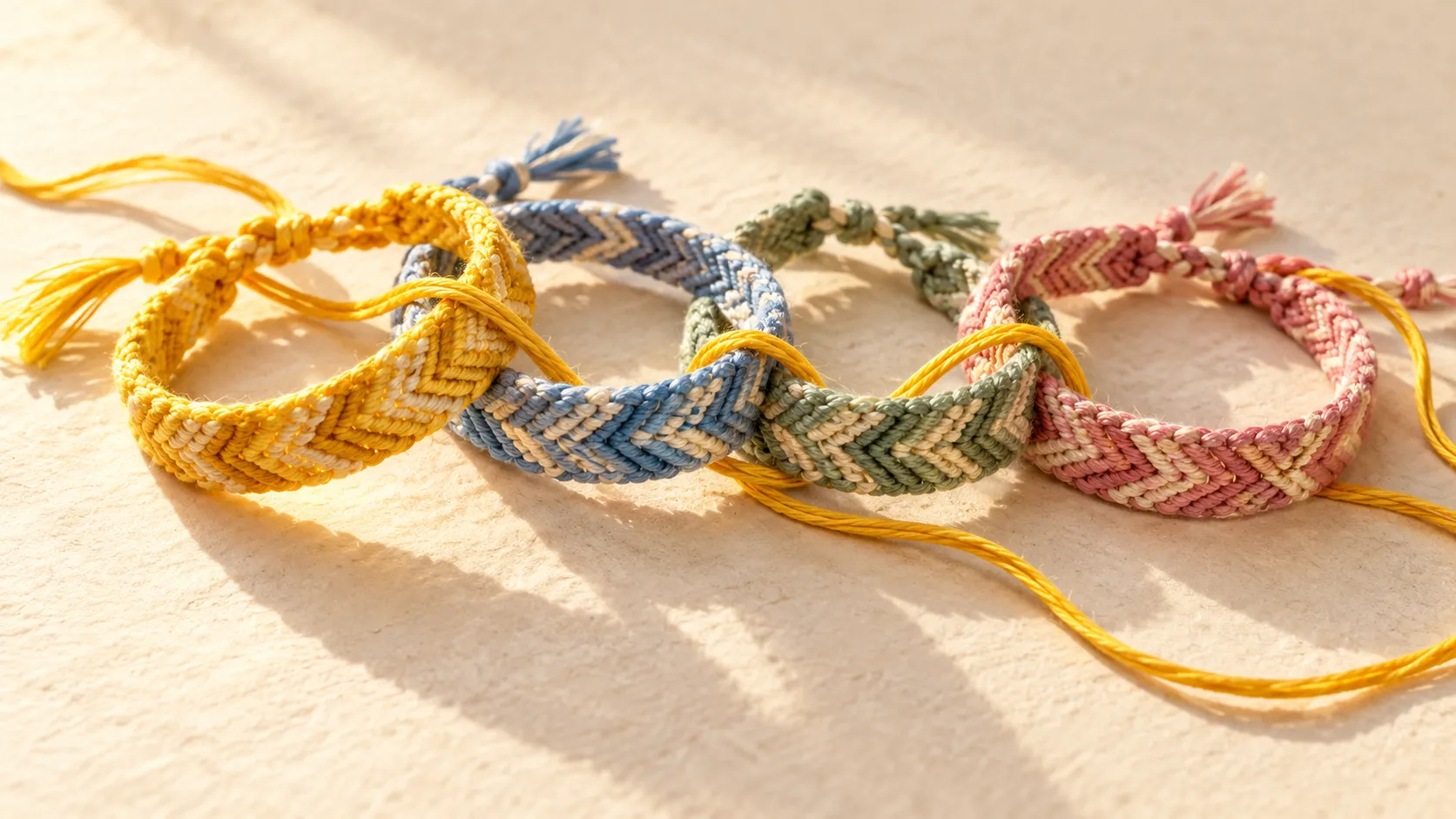
What Color Represents Friendship, and Why Is Yellow a Common Choice?
Published Date: October 12, 2026
Update Date: October 12, 2026
How to choose a color that reflects the friendship you actually share.
Yellow is a common answer to “what color represents friendship,” especially when choosing flowers: yellow roses traditionally express friendship and platonic affection. But a yellow bouquet and a blue friendship bracelet can communicate different things without either choice being wrong. Teleflora
Friendship includes laughter, loyalty, encouragement, and years of shared memories. One color cannot capture every part of that experience. If you are choosing a gift, making a card, or exploring symbolism in a story, the useful question is which quality you want to express. Understanding the familiar meanings gives you a starting point; knowing your friend helps you make it personal.
What Color Represents Friendship in Gifts and Everyday Life?
Yellow is a practical starting point when you want a recognizable symbol of friendship. Its use in yellow roses gives it a clear place in contemporary flower gifting. For example, Teleflora describes yellow roses as an expression of friendship, appreciation, and platonic love. Teleflora
That makes yellow a suitable choice for a birthday card, a thank-you bouquet, or a small gift celebrating a friendship. It can communicate affection without requiring a grand romantic gesture.
Still, the meaning depends on the object and the circumstances. A yellow notebook may simply be someone’s favorite stationery. A yellow scarf could remind two friends of a shared holiday. The color becomes a friendship symbol when the people involved understand why it was chosen.
Think of yellow as a familiar starting point rather than a compulsory choice. If your friend dislikes it, choosing something they enjoy will probably express more care than following a symbolism chart.
Why does yellow fit the idea of friendship?
The connection between yellow and cheerful feelings has some research support. In a study published in Color Research & Application, participants selected colors to represent experimentally induced moods. Yellow hues were systematically linked with joy in that study. Wiley Online Library
This offers one reason yellow can feel appropriate for celebrating companionship. Shared laughter, encouragement, and happy memories fit comfortably with that emotional association.
However, the research does not establish yellow as an official friendship color. Choosing a color to represent joy is different from identifying a universal symbol for a relationship. Flower traditions, design choices, and personal memories each contribute their own meanings.
For a gift, you can make the connection explicit with a short note: “I chose yellow because you always give me something to smile about.” The explanation turns a general symbol into a specific expression of appreciation.
What Can Other Friendship Colors Express?
Yellow works well when your message centers on happiness. Other colors can help you express quieter or more complicated qualities.
Contemporary color-symbolism guides commonly interpret blue as trust, green as growth, and pink as care. These are useful creative conventions, although their meanings are not fixed rules that everyone shares. KSENIA ODINTSOVA
The following table offers a starting point for choosing a color deliberately.
Color
Quality you might emphasize
Example of a personal use
Yellow
Joy and encouragement
A card thanking a friend for making difficult days lighter
Blue
Trust and steadiness
A bracelet for someone who consistently keeps their promises
Green
Growth and renewal
A gift celebrating a friendship that has changed over time
Pink
Affection and care
A note recognizing someone’s kindness
Orange
Enthusiasm and shared activity
An invitation celebrating adventures you enjoy together
Purple
Creativity and individuality
A handmade gift reflecting a friend’s distinctive interests
These examples are suggested uses. You can choose a different meaning if it better reflects your relationship.
Blue for the friend you can rely on
Blue is often used in visual symbolism to suggest trust, loyalty, and consistency. That makes it a thoughtful option when reliability is what you most appreciate about someone.
Consider a hypothetical example: a friend checks in during a difficult move, follows through on practical help, and listens without turning every conversation back to themselves. A blue keepsake could represent the steadiness you value.
The accompanying message matters more than the shade. “Thank you for always following through” says something concrete. It tells your friend which actions you noticed.
A pale blue card and a dark blue bracelet might both work. There is no need to assign an exact emotional meaning to every shade unless you are creating your own symbolic system.
Green for a friendship that keeps developing
Green can serve as a metaphor for growth because of its connection with plants. Used deliberately, it can represent a friendship that has adapted through new jobs, different cities, or changing responsibilities.
Perhaps you once spent every weekend together, while now you meet a few times a year. The relationship may still matter deeply even though its rhythm has changed. Thinking about the stages of friendship can help you describe that development without treating change as automatic decline.
For an original gift idea, pair a green notebook with a message about something you hope to do together next. This gives the symbolism a forward-looking purpose: the friendship has a history, and you are still making room for it.
Pink for appreciation and care
Pink is used in flower-gifting symbolism to express gentle affection and kindness. It can therefore suit a friendship gift focused on thoughtfulness. efloristapp
For example, you might choose a pink card for someone who remembered an important date or stayed with you through an uncomfortable conversation. Explain the gesture you appreciated rather than relying on the color to communicate everything.
Pink does not belong to one gender or one type of relationship. The recipient’s taste, the wording, and your established friendship are better guides than assumptions about who should receive a particular color.
Orange and purple for a more personal message
Flower-gifting guides sometimes use orange to suggest enthusiasm and energy. You could use that interpretation for a friend who shares your love of dancing, travel, sport, or spontaneous outings. efloristapp
Purple offers another creative possibility. You might choose it because your friend loves unusual art, because it features in a shared memory, or simply because it is their favorite color.
Neither choice needs an elaborate explanation. A clear personal reason is enough. “This reminded me of our first concert together” communicates more than a long list of supposed color meanings.
Does Friendship Color Symbolism Mean the Same Thing Everywhere?
You should not assume that everyone will interpret a color in the same way. A symbol can be familiar in one setting and unfamiliar in another.
Research published in Psychological Science examined color-emotion associations across 30 nations. It found substantial similarities between participants, alongside differences shaped by linguistic and geographic factors. That supports a careful distinction: people can share emotional associations while still interpreting colors differently. APS
The study concerned emotions rather than an official color code for friendship. It does not establish that a particular shade will communicate the same relationship message to every recipient.
Context also changes the meaning within a single person’s life. Blue might remind your friend of a peaceful beach, their school uniform, or a disappointing sports season. You cannot discover those memories from a general symbolism guide.
When choosing a meaningful gift, consider three things:
The occasion: Are you celebrating, expressing gratitude, or offering support?
The recipient’s preferences: Which colors do they enjoy wearing or keeping around them?
Your shared experience: Does a particular color connect with something you both remember?
If you are giving flowers across cultures, ask a florist familiar with the recipient’s location about relevant customs. For a personal card or bracelet, a sentence explaining your choice can remove much of the uncertainty.
How Do You Choose a Friendship Color Without Sending a Mixed Message?
Begin with the words you would use if there were no gift at all.
“I appreciate your support” calls for a different tone from “Let’s celebrate our next adventure.” Once the message is clear, choosing a color becomes easier.
Match the color to a specific quality
Instead of trying to symbolize the entire friendship, choose one thing you want to recognize.
For a friend who encouraged you through a demanding project, you might select yellow and write about their encouragement. For someone who has stayed dependable through years of change, blue could support a message about trust.
This approach also prevents the gift from becoming vague. “You are a wonderful friend” is kind, but “You remembered to call before my interview, and that helped me feel less alone” gives the appreciation substance.
Consider the gift as a whole
Color is only one part of what someone receives. The object, timing, wording, and relationship all contribute to its interpretation.
A small birthday bouquet with a friendly note gives the recipient more context than an unexplained gift delivered after a tense conversation. Likewise, a heart-shaped object may invite questions that a notebook in the same color would not.
If you are concerned about romantic ambiguity, make your intention clear in ordinary language. “I’m grateful for your friendship” is direct and warm.
Where a friendship involves questions about relationship boundaries, choosing a supposedly platonic color cannot settle them. Understanding emotional cheating vs friendship requires attention to conduct and expectations; a gift’s appearance cannot explain the relationship by itself.
Let personal preference influence the final choice
Imagine that your friend loves black clothing and dislikes bright colors. A black journal with a yellow bookmark might acknowledge the familiar symbolism while still respecting their taste. Choosing an entirely black gift is also reasonable if it suits them better.
Dark colors do not make a gift less friendly. You are giving something to a person with preferences, memories, and interests.
A thoughtful choice can be simple. The care lies in noticing what that person would enjoy.
How Can Friendship Colors Work in Fiction?
For readers and writers, colors offer a way to explore friendship beyond gifts. A repeated object can accumulate meaning as a relationship develops.
Consider this original fictional example: two friends buy matching yellow mugs during their first holiday together. Years later, one brings her mug to a reunion while the other has quietly stopped using hers. The objects give the scene a small, visible reminder of their shared past.
Yellow does not have to mean happiness to every reader for the example to work. The story has established what those particular mugs mean to those particular friends.
The same object could become more complicated if one friend has concealed something important. Exploring friendship and lies in fiction helps connect the symbol with the relationship’s actual conflict.
In reunion mystery fiction, a colored ribbon, photograph, or piece of clothing could recall an earlier version of the friendship. A character’s response to it might reveal affection, embarrassment, or resentment.
The Goddesses Are Back
Murder At The Aphrodisia
A mystery by Renaii West
A lavish seaside reunion turns deadly. To catch a killer, the Goddesses
must confront secrets they thought were buried for good.
The useful technique is to establish the object’s significance through scenes and actions. Readers need a reason to care about the yellow scarf or blue bracelet. Repeating the color alone cannot create that meaning.
A Simple Way to Make Your Choice Meaningful
Before buying or making something, finish this sentence:
“I want this color to remind my friend of ______.”
Your answer might be the laughter you share, their dependable support, or a memory you both treasure. That gives you a clear purpose.
Then check whether the recipient would enjoy the item. A symbolic gift still needs to fit their life. Someone who rarely wears jewelry may appreciate a card or notebook more than a bracelet.
Finally, add one specific sentence explaining the connection. Here are three original message examples:
“I chose yellow because our conversations always leave me smiling.”
“The blue reminded me of how steady your support has been.”
“I picked green to celebrate everything we have grown through together.”
You can also choose the friend’s favorite color and explain why you chose the gift itself. There is no need to force symbolism into every gesture. Sometimes remembering what someone likes is the clearest expression of friendship you can offer.
Frequently Asked Questions
What color should I choose for a friendship bracelet with two strands?
Choose colors that represent two qualities you want to celebrate, such as yellow for shared joy and blue for steadiness. You could also combine your favorite color with your friend’s favorite. Explain the choice when you give the bracelet so its meaning belongs to both of you.
Are yellow roses appropriate for a friend of any gender?
Yes, yellow roses are a suitable friendship gift when the recipient enjoys flowers. Contemporary flower-gifting conventions use them to express friendship and platonic affection. A note naming the occasion or your appreciation makes the gesture clearer. Teleflora
Can I use black or gray to represent a close friendship?
Yes, particularly if those colors reflect your friend’s taste or a shared memory. You do not need to choose a bright color to communicate warmth. Explain the personal connection rather than assuming the recipient will recognize a general symbolic meaning.
The Goddesses Are Back
Murder At The Aphrodisia
A mystery by Renaii West
A lavish seaside reunion turns deadly. To catch a killer, the Goddesses
must confront secrets they thought were buried for good.
Storytelling has always been my passion. After earning a Bachelor of Fine Arts, I directed and taught drama, wrote stage productions, and brought stories to life. Now, I write quirky, unconventional characters who solve unexpected mysteries with wit. Beyond writing, I enjoy mythology, cinema, travel, dance, yoga, puzzles, and mysteries.